
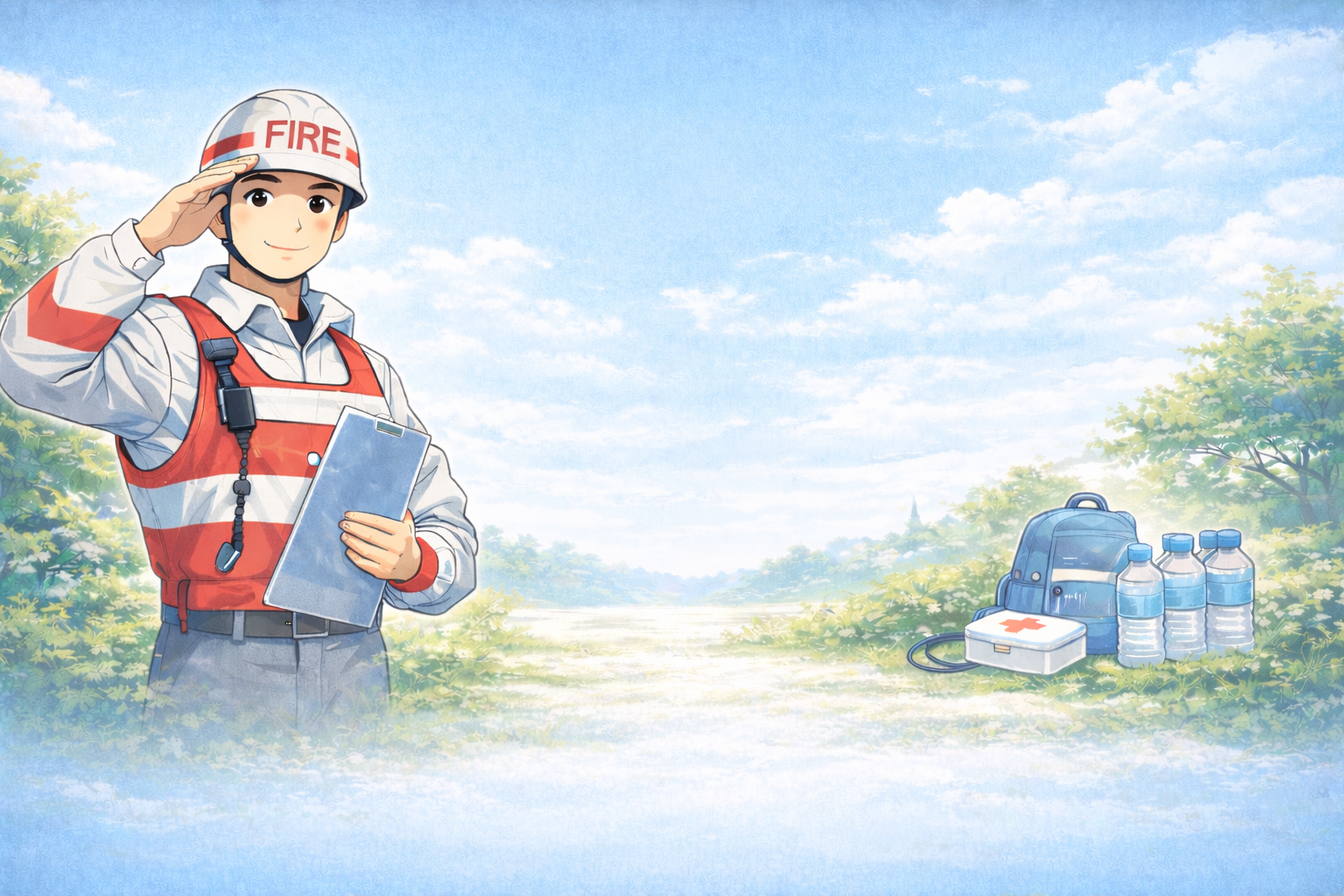
In the Philippines, kids grow up knowing the words bagyo and lindol long before they fully understand what they mean. Typhoons arrive several times a year, and the country sits squarely on the Pacific Ring of Fire. That makes preparedness for children not a “nice to have” but a core part of family safety. The good news is that getting kids ready does not mean scaring them. Done right, it actually makes them calmer, more confident, and far less likely to freeze when something real happens.
This guide walks parents and guardians through how to prepare children for typhoons and earthquakes in a way that is age-appropriate, practical, and rooted in how kids actually think and react under stress.
- Why Kids Need Their Own Kind of Preparation
- Talk About It Without Creating Fear
- Earthquake Basics Every Child Should Know
- Typhoon Readiness for Children
- The One Thing Kids Must Memorize: Contact and Meeting Points
- Make Drills a Game, Not a Test
- Helping Kids Cope After a Disaster
- Decision Points: Knowing When to Act
- What to Do Today
- Final Thoughts
Why Kids Need Their Own Kind of Preparation
Adults prepare by storing water, charging power banks, and watching PAGASA updates. Children prepare differently. Their biggest risks in a disaster are confusion, panic, and getting separated from a trusted adult. A child who knows exactly what to do — and who has practiced it — is much safer than one who only knows that disasters are “scary.”
From years working in emergency response, one pattern stands out: in the moment of crisis, people fall back on what their bodies already know, not what they read once. The same is true for kids. Repetition through play and drills is what sticks, not a single serious lecture.
Talk About It Without Creating Fear
How you talk to a child matters as much as what you say. The goal is honesty without alarm. Instead of “a strong earthquake could destroy our house,” try “sometimes the ground shakes, and we have a plan that keeps us safe when it does.”
Frame preparedness as something the family does together, like a team. Children take their emotional cues from parents. If you stay calm and treat drills as normal, they will too. The aim is not to teach kids to be afraid of disasters — it is to teach them that they can handle them.
Earthquake Basics Every Child Should Know
The single most important earthquake action is simple enough for even young children: Duck, Cover, and Hold. Drop to the ground, take cover under a sturdy table, and hold on until the shaking stops. PHIVOLCS and DepEd both promote this through the nationwide earthquake drills (Nationwide Simultaneous Earthquake Drill) that many schools already practice.
- Practice at home, not just at school — kids should know what to do in the living room, bedroom, and kitchen.
- Teach them to stay away from windows, mirrors, and tall furniture.
- Explain that after the shaking stops, they wait for an adult’s instruction before moving.
Typhoon Readiness for Children
Typhoons give more warning than earthquakes, which is a teaching opportunity. Let children be part of the preparation so they understand what is happening:
- Let them help pack their own small “go bag” — a change of clothes, a favorite small toy, and a snack. Ownership reduces anxiety.
- Explain why class is suspended and why the family stays indoors.
- Teach them to never play in or near floodwater. Moving water is far stronger than it looks, and floodwater in the Philippines often hides open canals and electrical hazards.
Letting a child carry a small responsibility during a typhoon turns helpless waiting into something they can manage.
The One Thing Kids Must Memorize: Contact and Meeting Points
Getting separated is a child’s greatest danger in a disaster. Every child old enough to talk should know:
- The full name of a parent or guardian.
- At least one phone number, memorized — not just stored in a device.
- A family meeting point, both near home and a backup farther away.
- Who counts as a “safe adult” to approach if lost (a police officer, teacher, or Red Cross volunteer).
For younger children who cannot memorize numbers, an ID card or wristband with contact details tucked into their bag works well.
Make Drills a Game, Not a Test
Children learn through play. A surprise “earthquake drill” where everyone races to Duck, Cover, and Hold can be turned into a timed game. Praise effort rather than perfection. The point is to build muscle memory so the action becomes automatic.
Run a short drill once a month. It takes five minutes and pays off enormously if the real thing ever happens. Schools across the country already do this — reinforcing it at home doubles the benefit.
Helping Kids Cope After a Disaster
Preparation does not end when the typhoon passes. Children often show stress days later — trouble sleeping, clinginess, or going quiet. This is normal. Listen to them, keep routines as steady as possible, and reassure them that they are safe now. If the distress is severe or lasts a long time, reach out to the Philippine Red Cross or a health professional for support.
Decision Points: Knowing When to Act
Teach your family these simple triggers:
- When PAGASA raises a tropical cyclone warning signal for your area, finalize indoor plans and review the go bag with the kids.
- When local government announces evacuation, leave early — do not wait. Children move slower and tire faster.
- When shaking starts, no one waits for instructions to Duck, Cover, and Hold — it is automatic.
What to Do Today
- Sit down with your kids and practice Duck, Cover, and Hold once.
- Help each child memorize one parent’s phone number and your family meeting point.
- Pack a small go bag together so each child has their own.
Final Thoughts
Preparing children for typhoons and earthquakes is one of the most loving things a Filipino family can do. It is not about frightening them with worst-case scenarios — it is about giving them a clear plan and the quiet confidence that comes from knowing what to do. A prepared child is a calmer child, and in a real emergency, calm saves lives.
For more on building family readiness, see our guides on what to expect at a typhoon evacuation center, how to get disaster alerts in the Philippines, and caring for mental health after a typhoon or earthquake.
Sources (Government and Official)
- NDRRMC — National Disaster Risk Reduction and Management Council (ndrrmc.gov.ph)
- PAGASA — Tropical cyclone warnings (pagasa.dost.gov.ph)
- Philippine Red Cross (redcross.org.ph)
🛡 What a former firefighter actually relied on in the field
Most quake injuries come from falling furniture. Securing it is the top priority.
📦 Furniture Anti-Tip Anchors (10 Pack) ›
As an Amazon Associate we earn from qualifying purchases. (Amazon US — international shipping available)
Comments